
New Zealand Wine Travel
Served at 10:48 PM on Tuesday, March 11, 2008
The above is a teaser video around Wine Tourism(or wine-related travel, if you'd like to call it that) in New Zealand. It shows a second-generation NewZealander called Rebecca going around on her scooter to get a whiff of all things wine.
Well, with nice different growing regions, New Zealand wines offer great varietal characteristics due to subtle climate changes from the north to south of its islands. Fans of Sauvignon Blanc will be delighted by what many critics consider the world’s best. The country’s red wines, particularly pinot noir and cabernet/merlot blends, also receive recognition around the world.
If New Zealand as a Wine Travel destination excites you, you should try out Wineries at New Zealand.
We were away for sometime now, but we promise, we want to write more often in the time to come. Stay tuned, and be the Winetastic Foodaholic you folks have always been!
Labels: video, wine-tasting, wine-travel
Glass shape and Wine taste
Served at 6:55 AM on Monday, September 18, 2006
On an online community, somebody asked if the shape of the glass can influence the taste of wine. Well, the short answer to this is yes. The shape of a wine glass can direct the flow of wine. Also, this means that the attack (contact) will initiate a different tasting note.
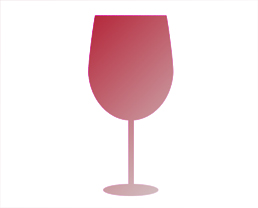
A cut rim glass like the above would direct the wine to the center of the tongue, creating a harmony of fruit, tannin and acidity. It's ideal for red wines high on tannins and moderate acidity.
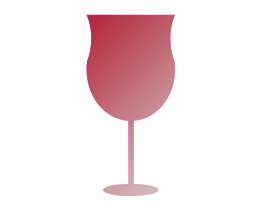
For red wines high on acidity, and moderate tannin, use a similar cut-rim glass but make sure it curves outwards towards the top of the glass. An example is shown above. This one directs the wine to the tip of the tongue.
Generally, Reds use bigger bowls than whites. Champagne/Sparkling wine glasses are narrow and reffered to as flutes. These are specially designed to highlight the fine bouquet, richness and complexity on the palate.
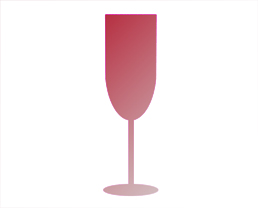
So a quick-hack understanding is that, for younger and crisper wines, a glass with an enlarged opening (outward curve towards the rim) should be used, and straight (regular) opening glasses should be used for mature and fuller-bodied wines.
A cut rim glass like the above would direct the wine to the center of the tongue, creating a harmony of fruit, tannin and acidity. It's ideal for red wines high on tannins and moderate acidity.
For red wines high on acidity, and moderate tannin, use a similar cut-rim glass but make sure it curves outwards towards the top of the glass. An example is shown above. This one directs the wine to the tip of the tongue.
Generally, Reds use bigger bowls than whites. Champagne/Sparkling wine glasses are narrow and reffered to as flutes. These are specially designed to highlight the fine bouquet, richness and complexity on the palate.
So a quick-hack understanding is that, for younger and crisper wines, a glass with an enlarged opening (outward curve towards the rim) should be used, and straight (regular) opening glasses should be used for mature and fuller-bodied wines.
Technorati tags: wine, taste, wine+glasses, types+of+wine+glasses, champagne+glasses, White+glasses, red+glasses
Labels: accessories, glass, tasting notes, wine-tasting
